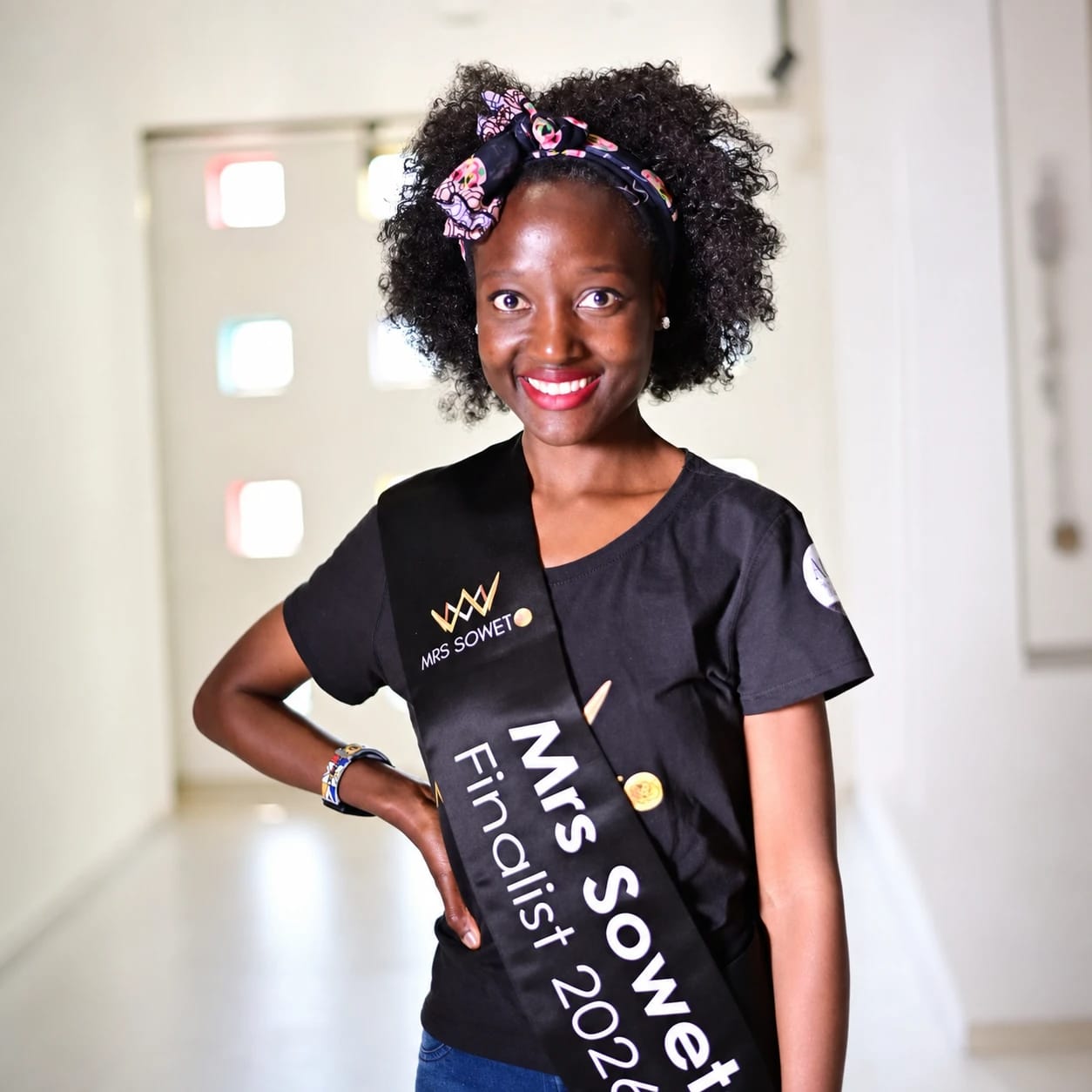
Mrs Soweto 2026 finalist Katleho "KweenKay" Mhangwane is an advocate for Deaf inclusion and South African Sign Language. Picture: Supplied
A Mrs Soweto 2026 finalist whose heart is dedicated to helping the Deaf community has expressed her belief that empowering women with business and employment opportunities in the waste management and recycling industry not only transform their families but also strengthens their communities.
Katleho "KweenKay" Mhangwane, who studied South
African Sign Language at Wits University, plays a key role in facilitating
communication between the Deaf and hearing communities by helping to bridge the
communication gap.
She said:
“What inspired me is my belief that Deaf people
deserve equal access to opportunities, information, education, and economic
participation. I have seen how communication barriers can sometimes prevent
Deaf people from fully participating in society, and that motivated me to
become part of the solution.”
Her knowledge of South African Sign Language opened her eyes
to the importance of communication and representation.
“Working with Deaf children also showed me how powerful it is when a young Deaf person sees someone who understands their world and believes in their potential. I want to be that person who says, ‘You can do this, and your voice matters.’”
She also serves as a facilitator through her environmental education and recycling initiatives, visiting Deaf schools in different parts of the country. During these visits, she makes important topics such as recycling and environmental responsibility accessible to Deaf learners.
“I also focus on empowerment beyond the classroom. Through my community initiatives, I am working towards connecting Deaf people with entrepreneurship, markets, skills development, South African Sign Language learning, and broader community opportunities. My goal is not simply to assist the Deaf community, but to help create an environment where Deaf people can become leaders, entrepreneurs, educators, and change-makers themselves.”
Speaking to the Diary Series of Deaf People ahead of Women's Day, she said, “When a woman is given an opportunity, she can change her life. When she is empowered, she can change her family. And when women come together, we can change our communities.”
To her, Women's Day represents strength, resilience,
courage, sacrifice, and the power of women to create change.
“It reminds me of the women who came before us, who stood up for their rights and created a better future for the generations that followed,” she said
She said:
“But for me, Women's Day is also about recognising
women whose voices are sometimes unheard—including Deaf women and girls. True
women's empowerment must include every woman, regardless of disability or
circumstance.”
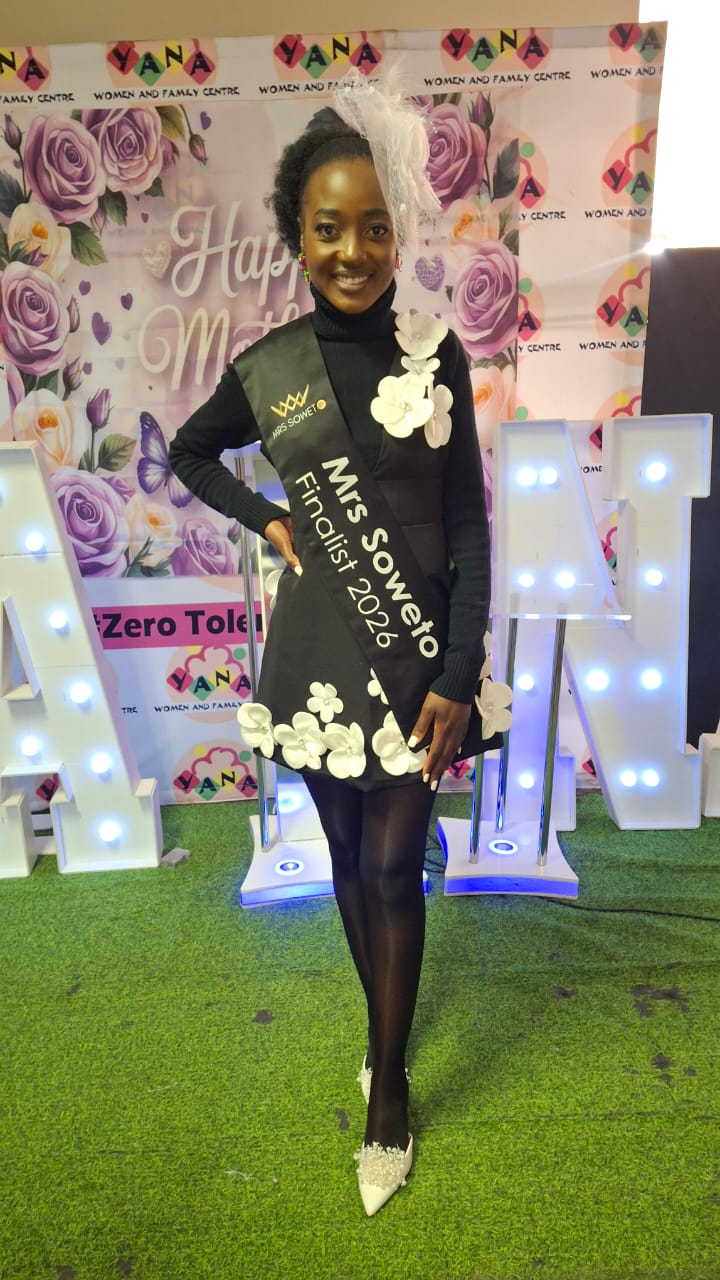
Katleho "KweenKay" Mhangwane says her Mrs Soweto 2026 journey is about creating opportunities for Deaf people and inspiring young Deaf girls to become future leaders. Picture: Supplied
She added:
“I want my Mrs Soweto journey to demonstrate that a
pageant platform can be more than a crown. It can be a vehicle for social
change. I want to use my visibility to open doors for Deaf people, encourage
businesses and organisations to become more inclusive, and inspire young Deaf
girls to see themselves as future leaders.”
“As a woman, a community advocate, and a Mrs Soweto finalist, I believe we have a responsibility to lift as we rise. Women's empowerment is not about one woman succeeding alone; it is about creating a pathway for other women to succeed too,” she said.
Her role in the Deaf community is centred on advocacy, education, empowerment, mentorship, and creating opportunities. She has worked with Deaf children and young people, helping to create environments where they can learn, communicate, express themselves, and recognise their own potential.
“Beyond education, I want to be a bridge between the Deaf
and hearing communities, creating greater awareness of Deaf culture, South
African Sign Language, entrepreneurship, and inclusion.”
Her projects have created spaces where Deaf learners can participate, learn, and feel represented.
“I have been working with the Deaf community for several years, beginning with tutoring Deaf children and developing my academic and professional journey in South African Sign Language. My relationship with the community has continued to grow through facilitation, education, mentorship, and community development initiatives.
“I continue doing this work because I believe that inclusion should not only be something we talk about—it must be something we actively create. Every time I work with a Deaf learner, visit a Deaf school, facilitate a workshop, or create an opportunity for the Deaf community, I am reminded why this work is so important.”
She highlighted that being a Mrs Soweto 2026 finalist has given her a bigger platform and a louder voice, which she is intentionally using to bring greater visibility to the Deaf community.
“One of the initiatives I am developing is the Signs of
Success Community Impact Project, which brings together South African Sign
Language learning, Deaf inclusion, entrepreneurship, small businesses, markets,
and community engagement. The project includes interactive Sign Language
sessions and opportunities for businesses to exhibit and connect with the
community. I am also working towards making South African Sign Language
learning more accessible through online platforms.”
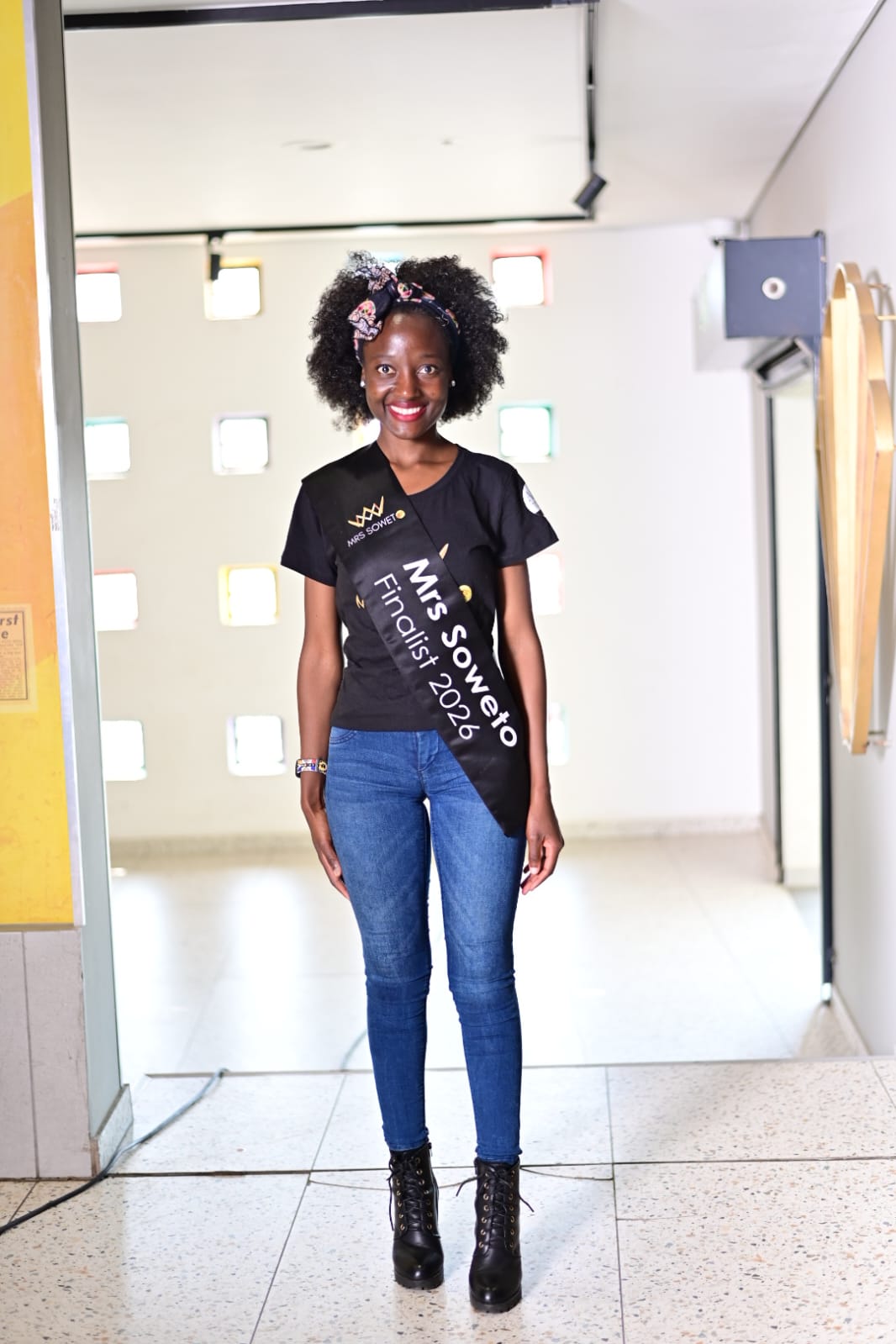
Katleho "KweenKay" Mhangwane says her Mrs Soweto 2026 journey is about creating opportunities for Deaf people and inspiring young Deaf girls to become future leaders. Picture: Supplied
If she wins the Mrs Soweto title, she plans to expand the work she has already started rather than begin something entirely new.
“My focus would be on building a sustainable Deaf empowerment and inclusion programme that brings together South African Sign Language education, mentorship, environmental education, entrepreneurship, skills development, and access to markets. I would like to strengthen partnerships with businesses, schools, community organisations, sponsors, and government structures so that Deaf people have access to opportunities that can improve their social and economic participation.”
She also wants to continue working with Deaf schools across
South Africa and create mentorship opportunities for young Deaf girls.
“I want them to know that their disability does not define
the limits of their future. They can become entrepreneurs, professionals,
leaders, mothers, educators, and changemakers. For me, winning would not simply
mean wearing a crown. It would mean having a greater responsibility to use that
crown to open doors for others.”